
Six in ten family-owned businesses in South Africa have no formal plan for what happens when the owner steps back. If that's you, you're not careless. You're busy. Running the business is a full-time job, and planning your exit from it is a second full-time job that never gets its turn.
Here's the starting point, without needing a lawyer, an accountant, or a broker in the room yet.
Why "later" quietly becomes "too late"
Owners who do have a plan almost never built it three months before they needed it. The pattern is consistently three to five years before. That's not because the paperwork takes years. It's because the things that actually raise a business's value — reducing owner-dependency, cleaning up customer concentration, normalising the numbers — take years to fix once you've spotted them.
If you only start looking the year you decide to sell, you're finding problems with no time left to fix them.

Five things to actually do this month
- Write down what happens if you don't show up on Monday. Not hypothetically, literally. Who makes the calls you make? Who has the relationships you have? If the honest answer is "nobody," that's your first fix — and it's the single biggest thing buyers discount for.
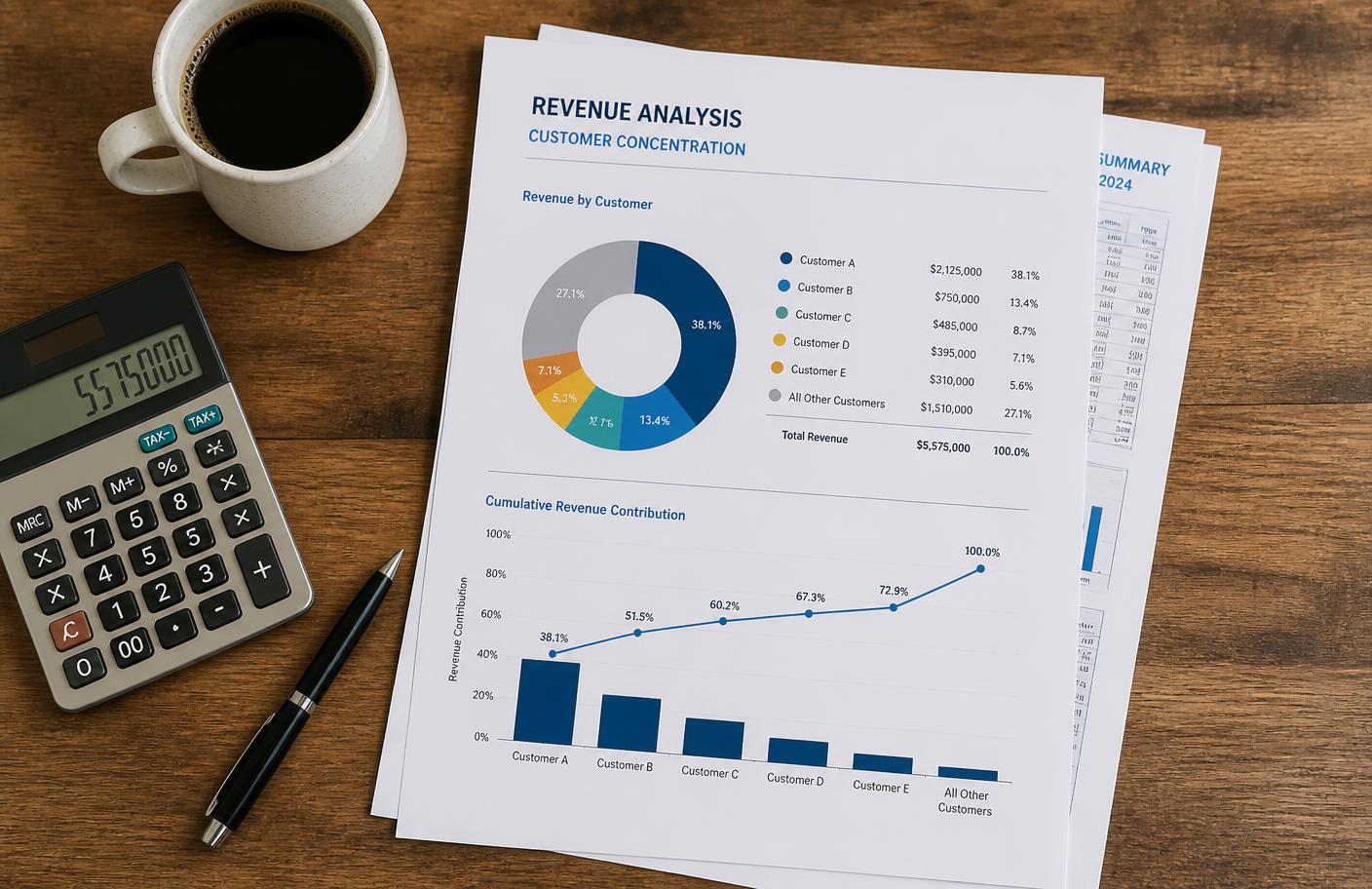
- List your top five customers by revenue. If one or two of them make up more than 30–40% of turnover, that concentration is quietly capping what your business is worth. You don't need to fix it overnight, you need to know it's there.
- Get a real number. Not a guess, not what you think it's worth — an actual valuation. You can't plan toward a target you haven't measured.
- Talk to your accountant about the mechanics, not the emotional decision. Just the practical one: what does a sale actually look like for you financially, today, as things stand.
- Put a date on it, even a rough one. "Sometime in the next few years" doesn't create urgency. "Within three years" does.
The plan isn't a document, it's a habit
None of this requires you to decide today that you're selling. It requires you to stop treating your exit as a problem for future-you to solve under time pressure. The owners who get the best outcomes are the ones who started looking early enough to actually fix what they found.
That's exactly the conversation a confidential Exit-Readiness Assessment is built for — a clear, no-obligation read on where you actually stand today, so "later" stops being a guess.
Where do you actually stand today?
Take the free, confidential Exit-Readiness Score — seven questions, two minutes, scored instantly — and see exactly what a buyer would see, before anyone knows you're thinking about it.
All enquiries are strictly confidential. This article is general information, not financial, tax or legal advice — speak to your professional advisors about your specific circumstances.